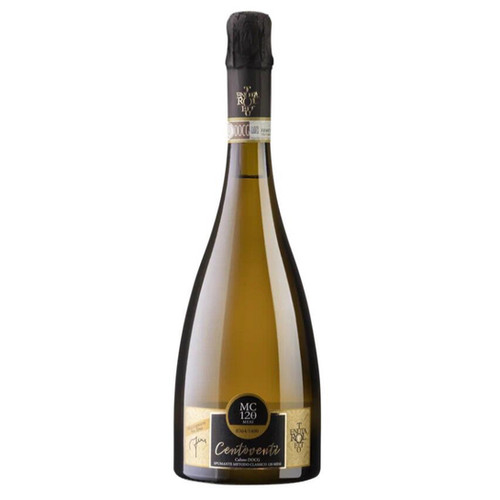
Tasting Notes
Ароматы спелого яблока, груши, цитрусовых цедры, миндаля и тостов с тонкими нотками меда и ванили. Вкус объемный, с яркой минеральностью, изысканным балансом кислотности и долгим, элегантным послевкусием.
Vineyards
Расположены в предгорьях Альп, на известково-глинистых почвах, идеально подходящих для сорта Эрбалуче. Умеренный альпийский климат способствует медленному созреванию ягод, что сохраняет их свежесть.
Production Method
Выдержка на осадке в течение 120 месяцев.
Вино создается методом классической шампанизации, включающей вторичную ферментацию в бутылке.
Food Pairing
Прекрасно сочетается с устрицами, лобстером, икрой, сырами с голубой плесенью, а также в качестве аперитива. Температура подачи: 8–10°C.
Wine is not just a drink — it is a whole experience. Its taste is influenced by serving temperature, the glass, aeration, and even how you take your first sip.
The right serving temperature is one of the key factors. Red wines 14–18°C, white wines 8–12°C, sparkling wines 6–8°C.
The best choice is a tulip-shaped glass (350–450 ml) with a narrowed top. Always hold the glass by the stem to avoid warming the wine.
Helps open up aromas and flavours. Red wines — 15–40 min before serving, whites and sparkling wines are served immediately after opening.
Quick tip: gently swirl the wine in the glassFirst sip — small, spread the wine across your palate.
Second sip — assess the balance of sweetness and acidity, fruity and spicy notes.
Before sipping, inhale the wine aroma without swirling, then gently swirl and inhale again. Note fruity, spicy, floral and woody notes.
Reds — meat, pasta, cheese
Whites — fish, seafood, poultry
Sparkling — appetizers to desserts.